
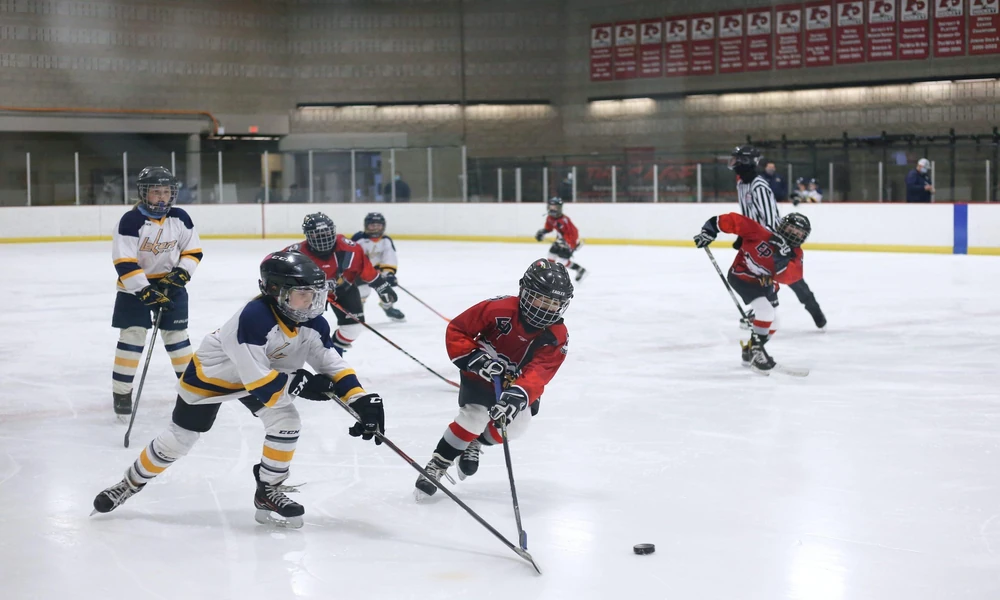
Walk into any neighbourhood rink on a weekday evening, and the game on the ice is rarely the most interesting thing happening. Conversations run along the boards. Kids chase each other through corridors. Two people who met three weeks ago are now debating line changes like they have known each other for years. Brent Polischuk Financial points to this kind of organic social development as something formal community programmes spend considerable effort trying to replicate, usually with far less success. Hockey does not try. It simply runs its schedule and lets proximity do the rest. Four months of showing up to the same place, around the same people, for a shared purpose, produces a social familiarity that is genuinely difficult to manufacture any other way. By mid-season, the rink has quietly become something more than a sports facility. It has become a place where a particular group of people belong to something together, without ever having made a conscious decision to build that.
How does identity get shaped?
Neighbourhood hockey leaves marks on local identity that outlast individual seasons by a considerable margin. These are not abstract cultural impressions. They show up in specific, observable ways.
- A league that has run for thirty years carries names, records, and stories that newer residents absorb simply by participating for a single season.
- Rivalries with adjacent neighbourhoods give residents a light competitive identity that creates distinction without division.
- Youth players who grew up in a local programme return as adults to coach, volunteer, or watch, bringing continuity that formal civic structures rarely sustain across generations.
- Seasonal rituals attached to specific programmes become part of how people describe the character of their neighbourhood to outsiders.
None of this was planned. It accumulated through repetition until it became something residents recognised as theirs.
Volunteer networks that last
Behind every functioning neighbourhood hockey programme is a group of adults doing unglamorous administrative work across an entire season.
- Scheduling,
- Equipment coordination,
- Fundraising,
- Rink logistics,
- Registration management.
The list is longer than most participants realise.
What that work produces, alongside the hockey, is harder to see but arguably more valuable. People who would never have crossed paths in ordinary life end up spending months in close operational contact. A retired teacher handling team communications. A younger parent managing equipment inventory. A neighbour who nobody quite knew before the season started is now someone everyone relies on. These working relationships carry a different weight than casual social ones. Shared accountability and mutual effort over time build a specific kind of trust, and that trust does not evaporate when the season ends. It transfers. It shows up again in other contexts, between the same people, around entirely different community needs.
What remains after seasons?
This is the part that does not appear in any programme brochure.
- Families introduced through a single youth league season remain connected for years through school, street familiarity, and informal social arrangements that have nothing to do with hockey.
- Adults from recreational leagues consistently describe those seasonal ties as among the more reliable connections formed since moving into a neighbourhood.
- Volunteer relationships built inside league administration resurface in unrelated community efforts because the groundwork was already laid.
- A rink that closes for the summer does not dissolve what formed inside it over the winter.
Community is not an event. It is not a programme launch or a one-time gathering. It is what happens when the same people keep showing up to the same place across enough time that something between them quietly becomes permanent. Hockey culture creates that condition without ever calling it community building, which may be precisely why it works as well as it does.