
 The Efficiency Frontier: Why I Stopped Guessing and Started Auditing the Soccer Market
  How does address mapping work between wallets and Tether Plinko platforms?
  The 16-Year Pivot: I Watched Algorithms Eat the Soccer Betting World (2010–2026)
  Ultimate Muay Thai Experience For Fans Seeking Authentic Fight Night
  How do you ensure complete fairness in keno drawing systems?
  World Cup Ticket Pricing: What is FIFA thinking?
  India Dominates 2025: The Team with Most International Wins Across Formats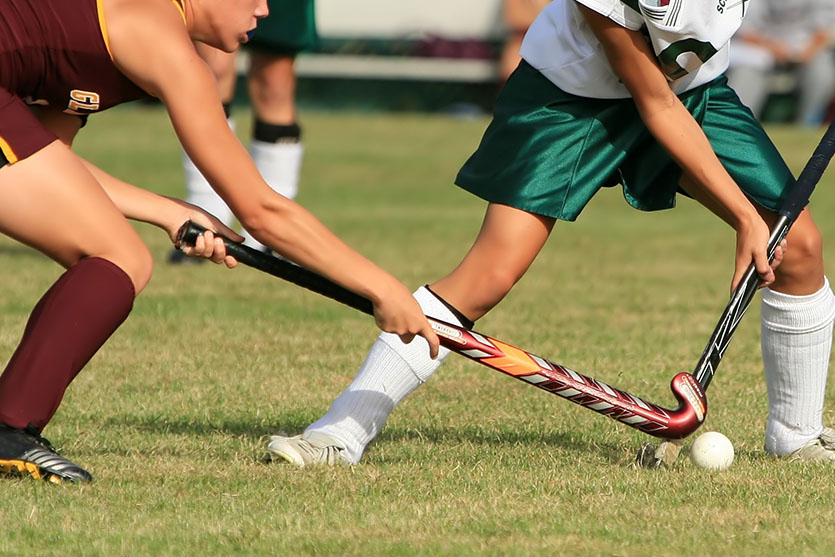
Why Stick Control Matters in DEK Hockey
In DEK hockey, control is everything. Unlike ice hockey, this fast-paced game is played on a non-ice surface, which makes stick handling, passing accuracy, and shooting precision even more important. The right stick helps players maintain close control of the ball, maneuver quickly, and react effectively during fast transitions. Choosing the best option requires considering both performance features and personal playing style.
Key Features That Influence Control
Stick Flex
Flexibility affects how much power transfers from the player’s hands to the blade. A softer flex provides better feel and control during stickhandling, while a stiffer flex offers more power for long passes and strong shots.
Blade Curve
The curve of the blade determines how well a player can cradle and release the ball. Shallow curves allow for more accurate passing, while deeper curves enhance wrist shots and quick releases. For players who prioritize control, a moderate curve is usually the best balance.
Shaft Material
Composite shafts are lightweight and responsive, giving players a quicker reaction time. Traditional wooden shafts provide a solid feel and are often preferred by beginners for stability, though they are heavier.
Length of the Stick
Stick length plays a major role in handling. A shorter stick gives more control and agility, while a longer stick increases reach and defensive capabilities. For maximum control, most players choose a stick that reaches just below the chin when standing in shoes.
Finding the Right Balance
The best stick for control isn’t just about specs—it’s about comfort and playing style. For example, forwards often prefer lighter sticks with moderate curves for quick handling, while defenders may choose sturdier models for poke checks and long passes. Testing different options is the surest way to find the right fit.
Where to Get Expert Advice
With so many models available, selecting the right stick can feel overwhelming. Shops that specialize in sports equipment, like Liquida Sport DEK hockey stick, offer expert guidance to help players choose the perfect balance of control, durability, and comfort. Getting professional advice ensures the stick matches both skill level and game demands.
Conclusion
The best DEK hockey stick for control depends on factors like flex, blade curve, material, and length. Players looking for agility and precision often lean toward lightweight composite sticks with balanced curves and a comfortable flex. By considering these elements and seeking professional recommendations, players can select a stick that enhances performance and gives them the control needed to dominate the game.